

Summer can be a wonderful time for older adults to enjoy fresh air, longer days, and outdoor activities, but it also brings unique health challenges. High temperatures, dehydration, and prolonged sun exposure can increase the risk of heat related illness and other health concerns. By following a few simple daily habits, seniors can stay safe, active, and comfortable throughout the season while continuing to enjoy everything summer has to offer.
Key Takeaways
- Summer health tips for seniors should cover hydration, nutrition, activity, sun protection, and emotional wellness together.
- Heat-related illness and dehydration are among the biggest summer health risks for older adults.
- Small, consistent daily habits make a bigger difference than occasional big changes.
- Timing outdoor activity around cooler parts of the day helps reduce heat-related risks.
- Staying socially connected is just as important as staying physically healthy in summer.
- A home caregiver can help seniors stay safe, hydrated, and engaged all season long.
The Biggest Summer Health Risks for Seniors
Hot weather brings a few predictable risks for older adults. Dehydration is one of the most common, since thirst signals naturally weaken with age, and it’s easy to lose more fluids than usual through sweat without noticing. Heat exhaustion and, in more serious cases, heat stroke are also bigger concerns for seniors, whose bodies regulate temperature less efficiently than younger adults.
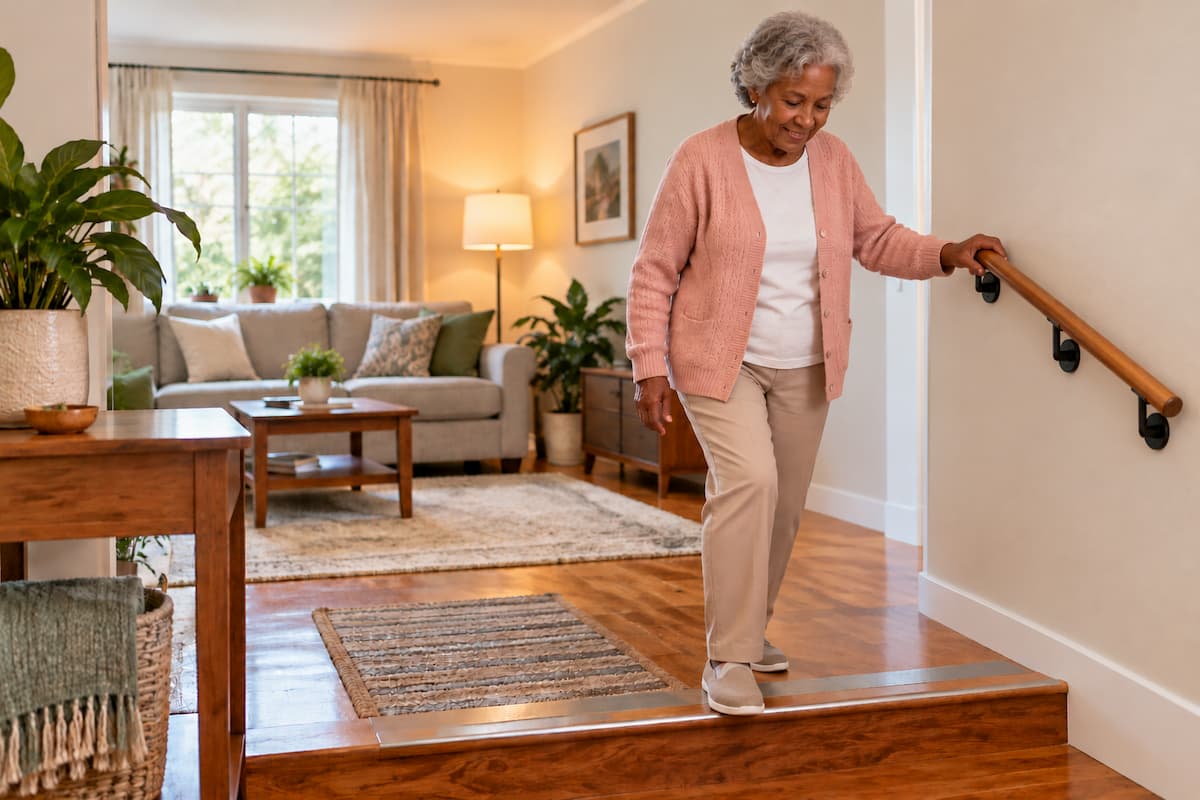
Existing health conditions and certain medications can add to these risks, since some make it harder for the body to cool down or increase the chance of dehydration. Limited mobility can also make it harder for a senior to escape the heat quickly, whether that means moving to a cooler room or getting outside help. This is part of why extra support at home, like the non-medical home care services available to Pennsylvania families, can make summer safety easier to manage for seniors and the people who care about them.
Hydration Tips for Seniors in Summer
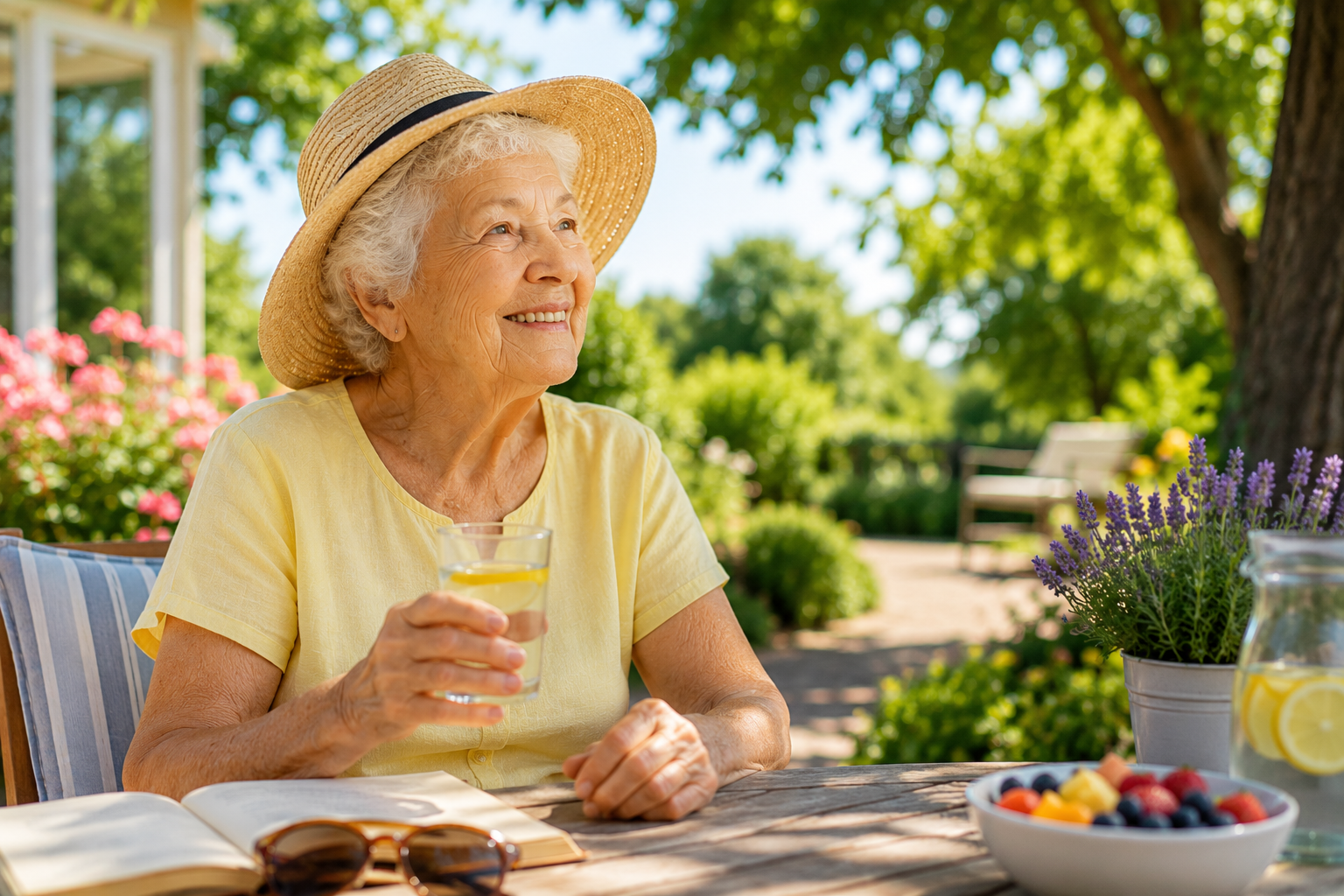
Encouraging regular fluid intake throughout the day, rather than waiting until a senior feels thirsty, is one of the simplest and most effective summer health tips for the elderly and seniors. Water is the best default choice, though milk, herbal tea, and water-rich foods like watermelon and cucumber can help too. Keeping a favorite cup or water bottle within easy reach, and building sips into an existing routine like meals or medication reminders, makes hydration easier to stick with. It’s worth limiting caffeine and alcohol on especially hot days, since both can contribute to fluid loss. Setting a simple daily goal, or checking in a few times a day about how much a senior has had to drink, can also help hydration stay consistent rather than an afterthought.
Nutrition and Diet Adjustments for Hot Weather
Appetite often dips in summer heat, so lighter, more frequent meals can be easier to manage than large ones. Cold soups, salads, fresh fruit, and yogurt offer nutrition without requiring a lot of cooking or heavy eating. Water-rich fruits and vegetables, like melon, oranges, cucumber, and leafy greens, support hydration alongside meals. Smoothies can be an easy way to combine fruit, dairy, and fluids into one simple option on days when a full meal feels like too much. As always, any specific dietary changes related to a medical condition are best discussed with a doctor or dietitian, since individual needs can vary quite a bit.
Safe Physical Activity for Older Adults During Summer
Staying active in summer is still important, but timing and pacing matter more when it’s hot outside. Early morning or evening, when temperatures are cooler, tend to be the safest windows for a walk or light activity. Indoor options like stretching, chair exercises, or a stroll through an air-conditioned space, such as a mall or community center, are great alternatives on especially hot days. Seniors should listen to their bodies, take breaks as needed, wear breathable clothing, and check with a doctor before starting any new exercise routine, especially if they have existing health conditions.
Protecting Skin and Eyes in the Summer Sun
Sun exposure adds up quickly, and older skin tends to be thinner and more sensitive to UV damage. A broad-spectrum sunscreen, a wide-brimmed hat, and lightweight, breathable clothing all help protect skin during time outdoors. Reapplying sunscreen every couple of hours, especially after sweating, keeps protection consistent throughout the day. Sunglasses that block UV rays protect the eyes as well, which matters even on cloudy days, since UV exposure doesn’t depend on visible sunshine alone. Planning outdoor time for cooler parts of the day, and seeking shade when possible, rounds out a simple sun-safety routine that’s easy to repeat all season.
Mental and Emotional Wellness for Seniors in Summer
Physical health isn’t the only thing that matters in summer. Heat can make it tempting to stay inside and skip social activities, which may lead to isolation over time. Staying connected through phone calls, visits, or community activities helps support emotional wellbeing alongside physical health. Keeping a light daily routine, even a simple one built around meals or a favorite hobby, can also help seniors feel more grounded during the season. Air-conditioned community spaces, like libraries or senior centers, offer a comfortable way to stay social without being out in the heat. If feelings of loneliness or low mood persist, it’s worth encouraging a conversation with a doctor or counselor, since ongoing support is available beyond what daily habits alone can address.
How a Home Caregiver Supports Senior Health All Summer Long
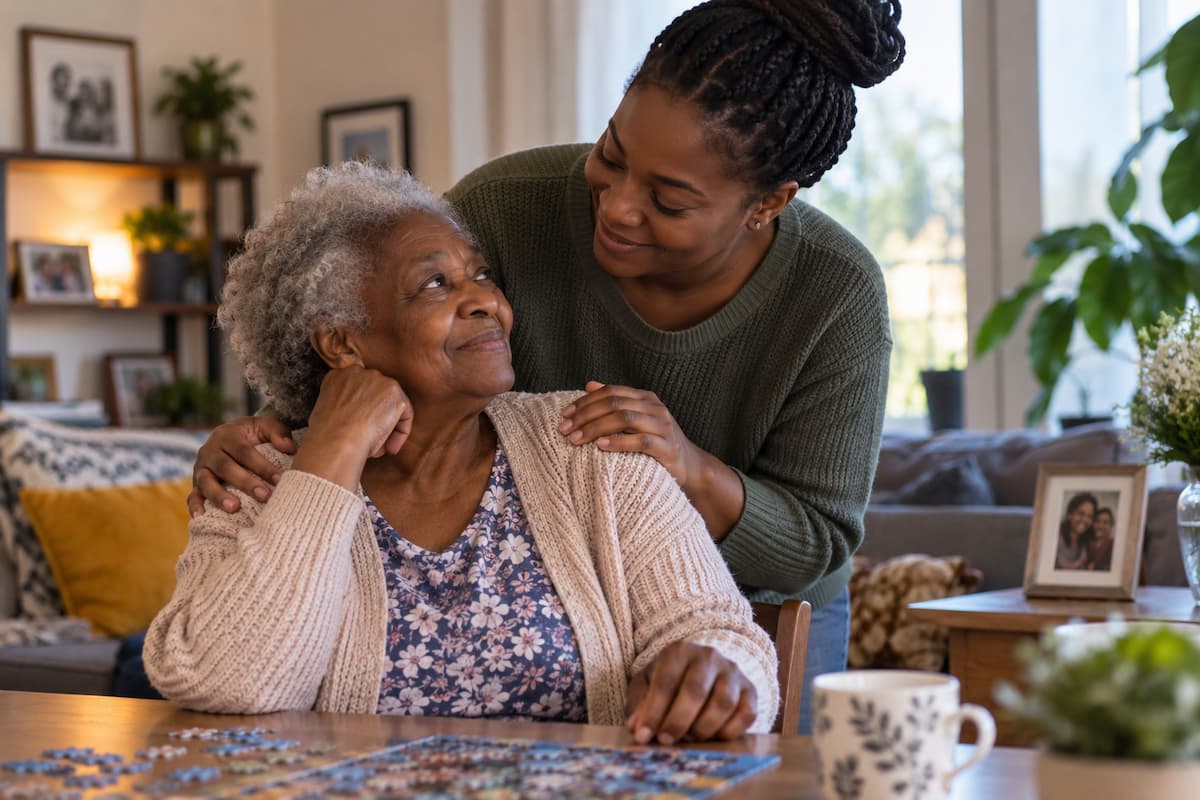
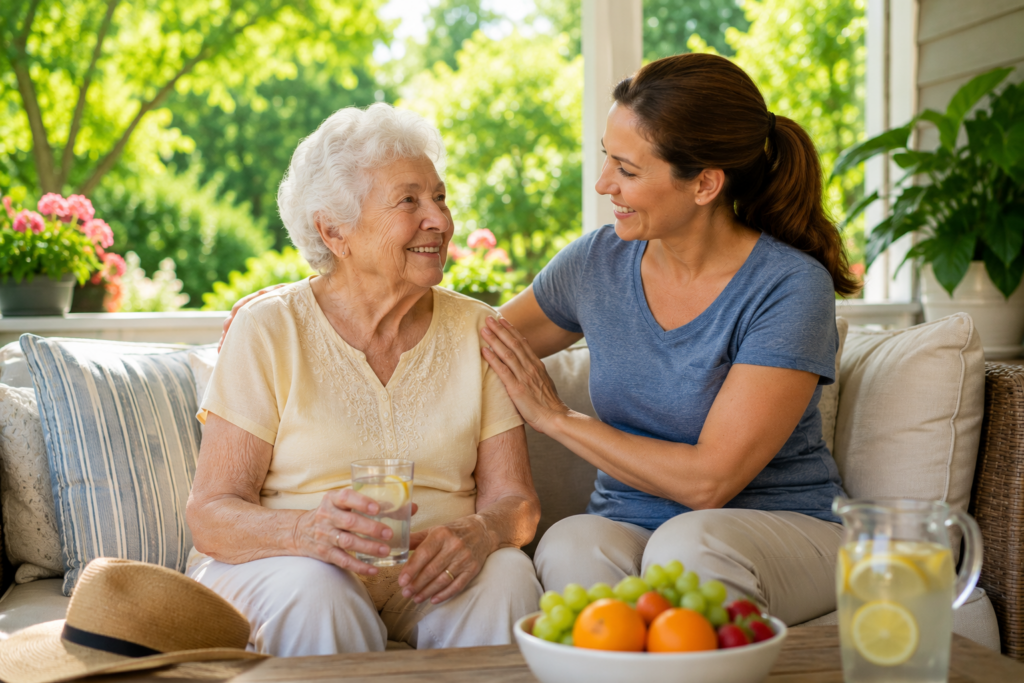
A consistent, familiar presence at home can make many of these summer health habits easier to maintain. A trained caregiver can help with hydration reminders, meal preparation, light activity, transportation to social activities, and simply being there to notice if something seems off. This kind of steady, non-medical support is especially valuable for seniors who live alone or whose family caregivers can’t be present every day.
CareSphere’s elderly care services bring companionship and daily support to seniors across Pennsylvania, helping make summer safer and more enjoyable without taking away independence. From encouraging a glass of water to keeping company during a favorite activity, a caregiver’s presence can turn these summer health tips into an easy, everyday habit rather than one more thing to remember alone.
AI Summary
Summer health tips for seniors center on staying hydrated, eating lighter and more often, timing activity around cooler parts of the day, protecting skin and eyes from sun exposure, and staying socially and emotionally engaged. Heat exhaustion and dehydration are among the biggest risks for older adults, making daily habits and routine check-ins especially important. A home caregiver can help tie all of these habits together, offering hydration support, companionship, and an extra set of eyes to help seniors stay safe and comfortable throughout the hottest months.