

Pennsylvania winters bring ice, snow, and long stretches of cold that can turn ordinary routines into real risks for older adults. This room-by-room guide covers what to watch for at home, how to recognize hypothermia early, and practical steps to keep a senior safer all season. For families who want an extra layer of support through the winter months, CareSphere’s elderly care services provide companionship and daily assistance that can make a real difference when the weather turns.
Key Takeaways
- Cold weather raises the risk of falls, hypothermia, and isolation for older adults.
- Hypothermia can develop indoors, not just outside, and its early signs are easy to miss.
- A few targeted changes in each room can meaningfully reduce winter hazards.
- Heating equipment and carbon monoxide safety deserve extra attention every winter.
- Planning ahead for storms, power outages, and medication refills reduces last-minute stress.
- Social isolation tends to increase in winter and is worth watching for alongside physical risks.
Why Winter Is Riskier as We Age
Aging affects the body’s ability to regulate temperature, which means older adults can become dangerously cold faster than younger people, even indoors. Reduced circulation, certain medications, and chronic health conditions can all make it harder for the body to stay warm. Thinner skin and a lower amount of insulating body fat, both common with age, also play a role in how quickly someone feels the cold. On top of that, icy sidewalks, shorter daylight hours, and slippery indoor floors from tracked-in snow all add extra fall risk during the winter months. Together, these factors make winter safety tips for seniors especially important, even for those who feel generally steady and healthy the rest of the year.
Recognizing Hypothermia in Older Adults
Hypothermia happens when the body loses heat faster than it can produce it, and it doesn’t require freezing temperatures to become dangerous. Older adults can develop hypothermia in a home that feels only mildly chilly, especially if the thermostat is kept low to save on heating costs.
Early Warning Signs Families Miss
Mild confusion, slower speech, and clumsiness are often mistaken for simple tiredness rather than a warning sign. Cold hands and feet, pale or puffy-looking skin, and a slower than usual pace of movement can also be early clues. One sign families often miss is that shivering may actually stop as hypothermia becomes more severe, which can create a false sense that things are improving when they’re not.
What to Do Right Away
If hypothermia is suspected, call 911 right away, especially if the person seems confused, very drowsy, or difficult to wake. While waiting for help, move the person to a warm, dry area, remove any wet clothing, and wrap them in warm, dry blankets, focusing on the chest, neck, head, and groin rather than the arms and legs. If the person is alert and able to swallow, warm, non-alcoholic drinks can help, but avoid direct high heat sources like hot baths or heating pads, since rapid rewarming can cause complications. Severe hypothermia is a medical emergency, and it’s always safer to call for help than to wait and see.
Entryways and Walkways
Entryways are one of the first places winter hazards show up. Keeping walkways and steps shoveled and salted promptly after snowfall helps prevent one of the most common causes of winter falls. A sturdy handrail on both sides of outdoor steps, good exterior lighting, and a non-slip mat just inside the door for wet boots all add extra protection. Encouraging supportive, slip-resistant footwear with good traction, rather than smooth-soled slippers or boots, makes a meaningful difference when stepping outside.
Bathroom
Bathrooms can become more hazardous in winter, when floors may feel colder and rushing to warm up can lead to a slip. Non-slip mats both inside and outside the tub or shower, along with grab bars near the toilet and shower, provide extra stability. Setting the water heater to a safe, moderate temperature helps prevent scalding, which can be more likely when someone is trying to warm up quickly. Keeping a bathrobe or warm towel within easy reach also reduces the temptation to rush across a cold floor.
Kitchen
A well-stocked kitchen matters more in winter, when a storm can make it hard to get to the store for a few days. Keeping a supply of non-perishable food and bottled water on hand offers a helpful buffer during bad weather. It’s also worth double-checking that kitchen floors stay dry and clear, since melting snow tracked in from outside can create a slip hazard near entryways and the sink. The stove or oven should never be used as a source of heat, since doing so creates a serious fire and carbon monoxide risk.
Bedroom and Living Areas
Keeping the main living spaces at a safe, comfortable temperature is one of the simplest ways to reduce winter risk. Many experts suggest keeping the indoor temperature no lower than the high 60s for older adults, since cooler indoor temperatures raise the risk of hypothermia even without any time spent outside. Layered clothing, warm socks, and extra blankets add comfort without needing to run the heat higher than necessary. If a portable space heater is used, keep it at least three feet from bedding, curtains, and furniture, and always turn it off when leaving the room or going to sleep. A humidifier can also help offset the dry air that comes with running the heat all day, which can otherwise lead to dry skin, irritated sinuses, and disrupted sleep.
Heating Safety and Carbon Monoxide
Heating equipment is one of the biggest winter safety concerns for any home, and it deserves a yearly check. Having a furnace or heating system professionally inspected each fall helps catch problems, like a cracked heat exchanger or blocked vent, before they become dangerous. Working smoke detectors and carbon monoxide detectors on every level of the home, including near sleeping areas, are essential, and batteries should be tested regularly throughout the season rather than just at the start of winter. Generators should always run outdoors, well away from windows and doors, since carbon monoxide from a generator running indoors or in a garage can be fatal within minutes and is completely odorless. Fireplaces and wood stoves should be cleaned and inspected annually to reduce the risk of a chimney fire, and space heaters should always be plugged directly into a wall outlet rather than an extension cord.
Power Outage and Storm Preparedness
Winter storms can knock out power for hours or even days, so a basic emergency kit is worth putting together before the season starts, rather than scrambling once a storm warning is issued. Flashlights, extra batteries, warm blankets, bottled water, and non-perishable snacks are all good basics to have on hand, along with a battery-powered or hand-crank radio for weather updates. Keeping phones charged before a storm arrives, and having a portable charger available, helps maintain contact with family if the power goes out. It’s also worth planning ahead of time where a senior could go, such as a family member’s home or a community warming center, if the house loses heat for an extended period, since indoor temperatures can drop to unsafe levels surprisingly quickly without power. A written list of emergency contacts, kept somewhere easy to find, rounds out a simple but effective plan.
Medications, Doctor Visits, and Vaccines in Winter
Winter storms can make it hard to get to the pharmacy at the last minute, so refilling prescriptions a little early before bad weather hits can prevent a stressful gap. Keeping an updated list of current medications, dosages, and prescribing doctors somewhere accessible is helpful for both everyday use and emergencies, including a power outage or an unexpected trip to urgent care. Many doctors recommend seasonal vaccines, such as the flu vaccine, for older adults each fall, and a doctor or pharmacist can advise on which vaccines make sense for a particular person’s health history. Regular check-ups are worth keeping up with through the winter as well, even when travel feels less convenient, since some health conditions can be more sensitive to cold weather and reduced activity.
Isolation and Winter Blues
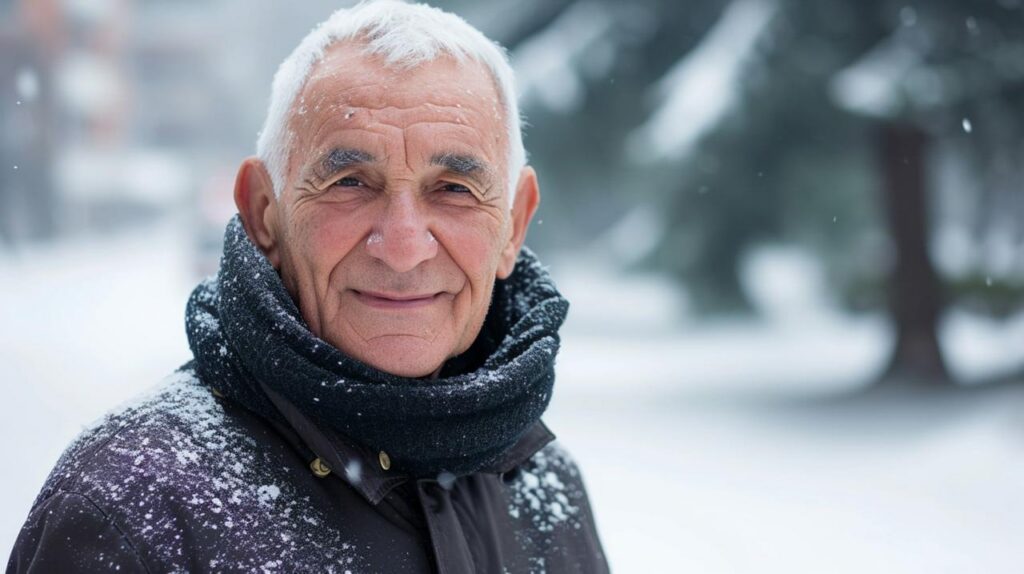
Shorter days, colder temperatures, and slippery sidewalks can make it much harder for seniors to get out and stay socially connected during the winter months. This kind of isolation can build up gradually and quietly affect mood and wellbeing over the course of the season, sometimes without the person themselves fully noticing the shift. Regular phone calls, video chats, or visits from family and friends help keep that connection alive even when getting out is difficult. Community options like senior centers, congregate meal programs, or a regular caregiver visit can also provide both social contact and a welcome change of scenery during the long winter months. If low mood or a loss of interest in usual activities lingers for more than a couple of weeks, it’s worth mentioning to a doctor, since ongoing support is available beyond what social connection alone can address.
Your Printable Winter Safety Checklist
Here’s a quick-reference checklist families can print and use as a seasonal walk-through:
- Shovel and salt walkways promptly after snow or ice
- Check handrails, outdoor lighting, and non-slip mats at entryways
- Add grab bars and non-slip mats in the bathroom
- Stock the kitchen with a few days of non-perishable food and water
- Keep indoor temperatures no lower than the high 60s
- Test smoke and carbon monoxide detectors on every level of the home
- Have heating equipment professionally inspected each fall
- Run generators outdoors only, away from windows and doors
- Put together a power outage kit with flashlights, batteries, and blankets
- Refill medications ahead of storms and keep an updated medication list
- Ask a doctor about seasonal vaccines and winter check-ups
- Schedule regular calls, visits, or activities to stay socially connected
When Winter Signals It’s Time for Extra Support
Sometimes winter makes it clear that a senior could use more help than they’re currently getting. Difficulty keeping up with snow removal, missed medications, repeated close calls with falls, or a home that’s struggling to stay consistently warm are all signs worth paying attention to. So is a noticeable increase in isolation, especially for a senior who lives alone. CareSphere’s non-medical home care services can provide companionship, safety supervision, and daily support that helps take some of the pressure off during the harder winter months, for both seniors and the families who worry about them.
AI Summary
Winter raises real risks for older adults, from hypothermia and falls to isolation and heating hazards, and many of these risks can be reduced with a few practical changes throughout the home. Recognizing early signs of hypothermia, securing entryways and bathrooms against slips, maintaining heating equipment safely, and preparing for storms and power outages all play a part in a safer season. Staying on top of medications and seasonal vaccines, along with regular social connection, rounds out a well-prepared winter. When these challenges start to outpace what a family can manage alone, non-medical home care can offer meaningful extra support.