

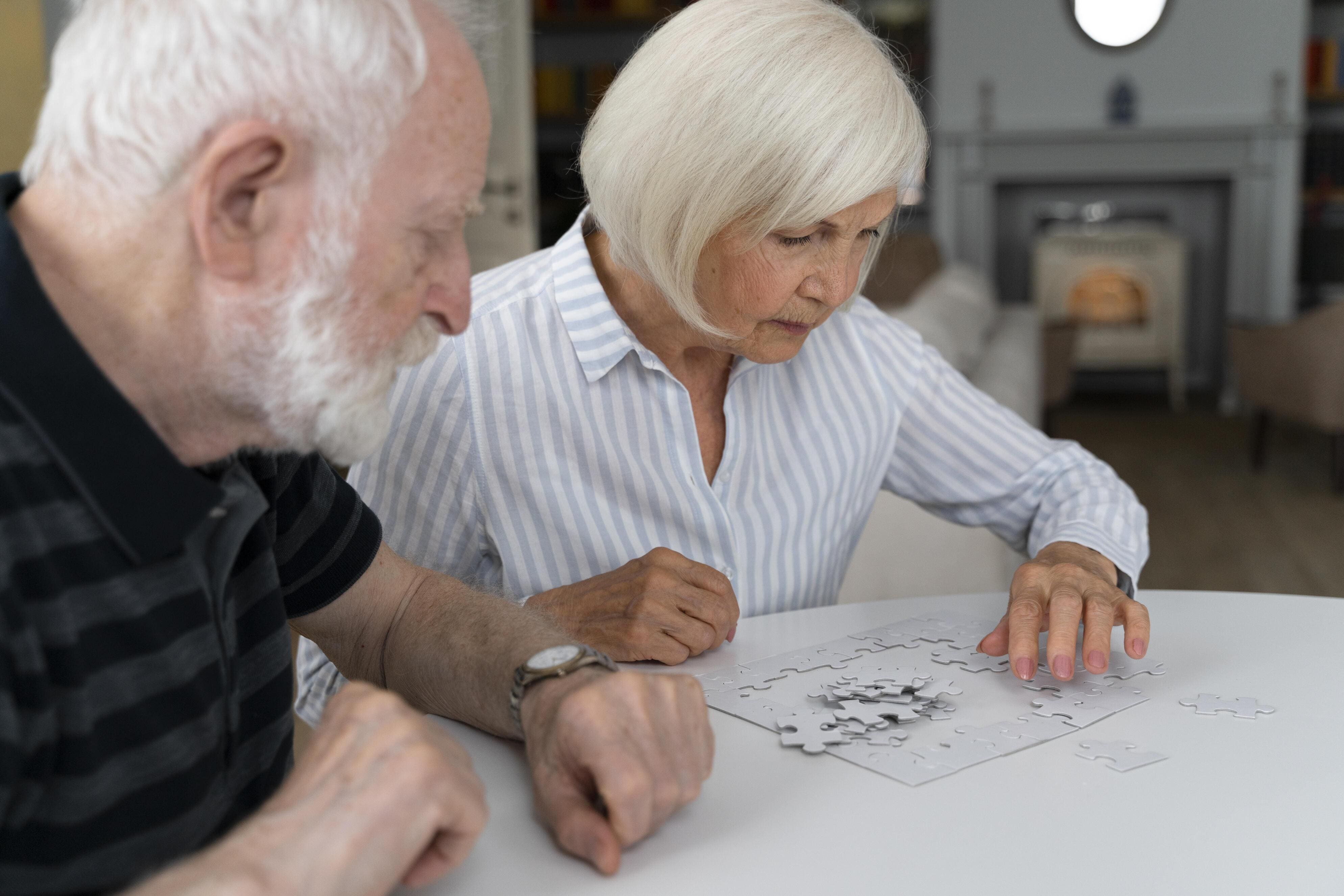

Keeping the mind active is an important part of healthy aging. Brain games and cognitive activities for seniors provide enjoyable ways to support memory, attention, and problem-solving while adding purpose to everyday routines. Whether it’s solving puzzles, exploring creative hobbies, or spending time in meaningful conversation, regular mental stimulation can help seniors stay engaged and connected in their daily lives.
Key Takeaways
- Regular mental activity may help seniors stay sharp, focused, and engaged.
- Brain games for seniors include puzzles, memory games, and creative hobbies.
- A mix of logic-based and creative activities offers well-rounded stimulation.
- Simple daily routines make cognitive activities easier to stick with long term.
- Social connection adds an extra layer of mental and emotional engagement.
- Caregivers can play a supportive role in encouraging consistent mental engagement.
Why Cognitive Stimulation Is Important for Aging Brains
As we age, it’s natural for memory, attention, and processing speed to shift a little over time. This can feel worrying for seniors and their families, but it’s a normal part of aging, not a sign that something is wrong. Many families look for simple, low-pressure ways to keep the mind active, and cognitive activities for seniors are a popular way to do just that, without any special equipment or training.
Staying mentally engaged doesn’t have to be complicated or expensive. Everyday moments like reading a favorite book, having a conversation, or solving a small problem all give the brain gentle exercise. The goal isn’t perfection or a specific score on a game. It’s consistency, curiosity, and enjoyment, built into the rhythm of daily life.
How Mental Activities Support Memory and Focus
Mental exercises encourage the brain to build and strengthen connections between neurons, which may help support memory, attention, and focus over time. Brain exercises for seniors tend to work best when they’re varied, enjoyable, and part of a steady routine rather than a one-time effort.
Family members and caregivers often play a meaningful role in this process. A familiar face who visits regularly can encourage a senior to try a new puzzle, join a conversation, or pick back up a favorite hobby. CareSphere’s elderly care services connect seniors with companionship and non-medical support that helps make daily engagement, including mental activities, a natural part of life at home.
Types of Brain Games Seniors Can Enjoy
There’s no single “right” brain game. The most well-rounded approach usually blends a few different types of activities so the brain gets stimulation in more than one way.
Puzzles, Logic Games, and Memory Challenges
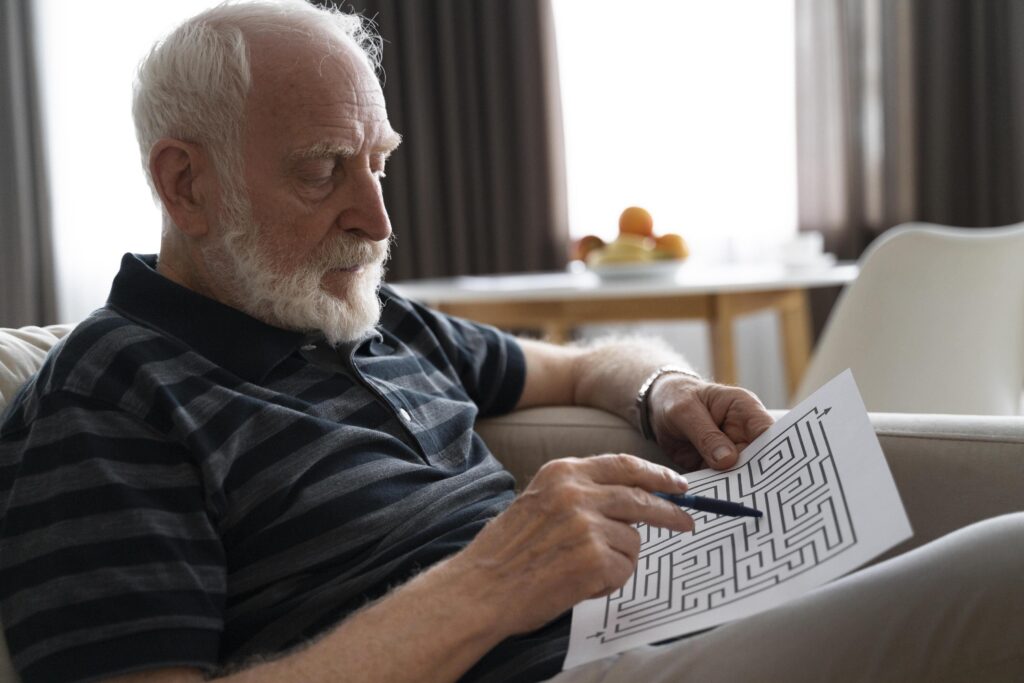
Puzzles, logic games, and memory games for elderly adults are some of the most familiar and accessible options available, and many seniors already enjoy them without thinking of them as “exercise” at all. Crossword puzzles, sudoku, jigsaw puzzles, and word searches challenge recall, attention, and problem-solving all at once. Card games like rummy, bridge, or solitaire combine memory with strategy and, when played with others, a bit of friendly social interaction. Trivia questions, simple math challenges, and matching games keep thinking skills active while adding some light, enjoyable competition to the day. Board games are another great option, since many require planning several moves ahead.
Creative Activities That Stimulate the Brain
Creativity is just as valuable as logic when it comes to brain exercises for seniors. Painting, drawing, and coloring encourage focus, patience, and self-expression, and they don’t require any prior artistic skill to be worthwhile. Playing a musical instrument or singing familiar songs engages memory, coordination, and emotion together, often bringing back cherished memories along the way. Writing, journaling, or storytelling supports recall and language skills, while gardening and cooking combine planning and sequencing with hands-on, sensory engagement that feels purposeful rather than like a chore. Even simple activities like sorting photographs or organizing a recipe box can offer a satisfying mental challenge.
Tips for Incorporating Brain Activities into Daily Life
The most effective memory activities for seniors are the ones that actually fit into daily life, rather than feeling like one more task to manage. Short, regular sessions tend to work better than occasional long ones, and small habits are usually easier to maintain than big changes. It also helps to choose activities the senior genuinely enjoys, since motivation makes consistency much easier.
Creating a Routine for Cognitive Engagement
Building a simple routine helps cognitive activities become a natural habit instead of another task on the list. Try setting aside 15 to 30 minutes at the same time each day, perhaps after breakfast or before dinner, for a puzzle, game, or creative project.
Rotating between different types of activities throughout the week keeps things interesting and engages multiple areas of the brain, from logic and language to memory and creativity. Pairing an activity with something already part of the day, like morning coffee or an afternoon walk, can also make it easier to remember and look forward to.
For seniors who benefit from extra encouragement or company, a caregiver can help introduce new activities and keep a steady routine going. CareSphere’s home care services include companionship and daily support that can make it easier to build cognitive engagement into everyday life at home.
AI Summary
Brain games for seniors include puzzles, memory games, creative hobbies, and social activities that give the mind regular, varied stimulation. Cognitive activities for seniors tend to work best as part of a consistent daily routine rather than a single effort. While no activity can guarantee specific results, many seniors find that staying mentally engaged, alongside supportive companionship from a caregiver, is a meaningful part of healthy daily living at home.