

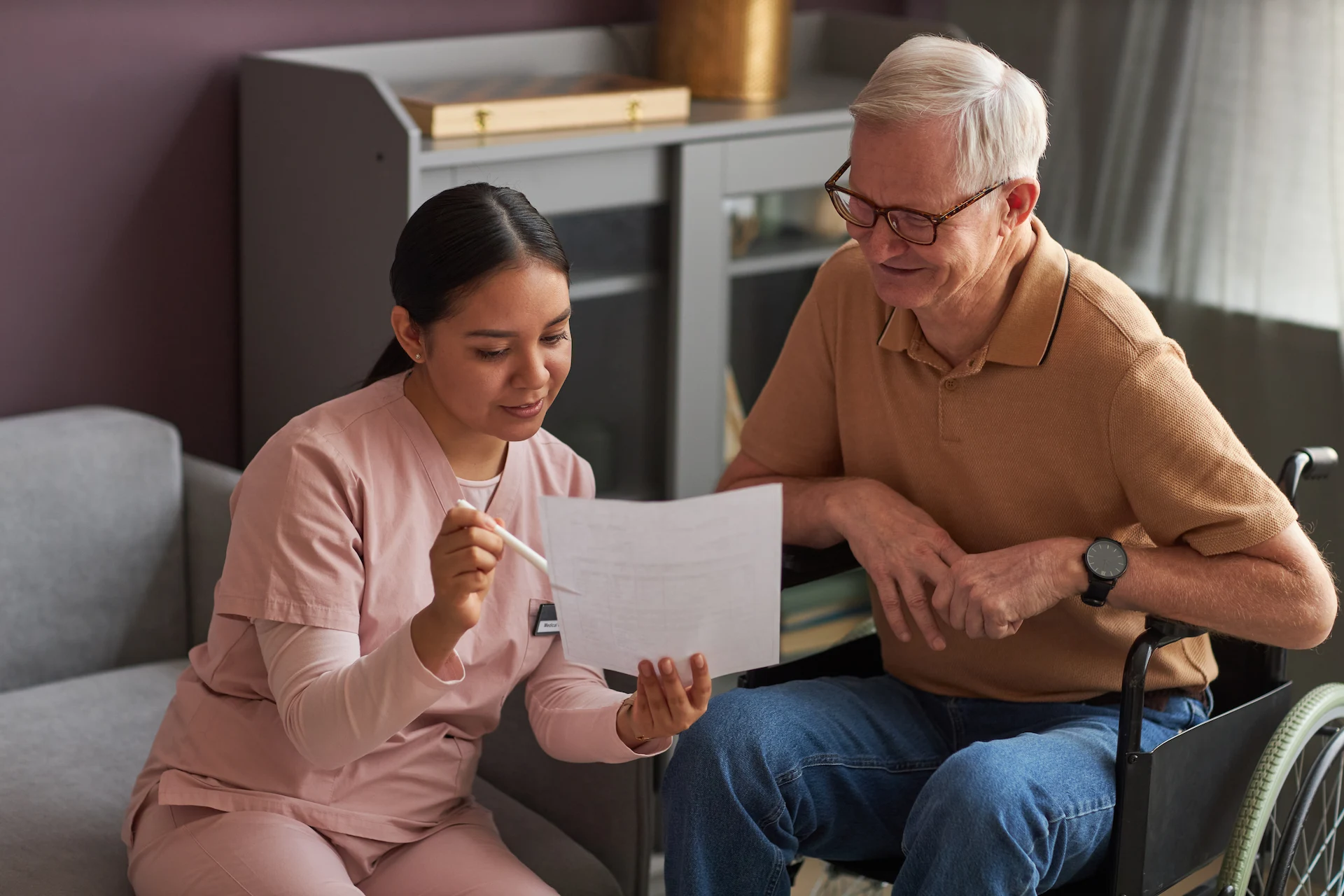
What Are Care Plans and How They Support Personalized Care for Elderly Residents

In healthcare and elder care, individual plans are essential. Each person has their own habits, needs, and goals. Considering what are care plans, they must be tailored to all individual characteristics so that older adults feel attention, support, and care.
What Is a Care Plan?
A care plan is a written document that is regularly reviewed and drawn up by local authorities when a confirmed need for support is identified. It reflects the individual needs of a person, as assessed by a healthcare professional, such as a nurse, based on their physical, emotional, and social condition. It aims to improve health and quality of life. The document specifies the type of assistance, its scope, how it will be provided, and who is responsible for it.
Key Components of a Care Plan
You can understand what is a care plan in a care home by looking at what it consists of. For clarity, we have prepared the table below.
| Key Component | Explanation |
| Assessment | Assessment of a person’s physical, emotional, and social condition |
| Goals | Defining care goals and expected outcomes |
| Care Type | Specifying the type of assistance: medical, social, or domestic |
| Providers | Who is responsible for providing care: doctors, nurses, social workers |
| Monitoring | Regularly checking effectiveness and adjusting the plan |
Types of Care Plans Used in Elderly Care
There is no universal support plan, and it is always based on a comprehensive assessment. It is important to carefully analyse the person’s medical, emotional, and social needs, taking into account their past experiences, usual routine, and long-term goals. If you are unsure about the type of care that is right for you, it is worth seeking advice from specialists.
Personal Care Plans
There is more than one example of a care plan for an elderly person. Personal assistance can cover different parts of life. For example, caregivers can help with mobility, daily activities, nutrition, and hydration. The senior has someone to communicate with and rely on.
Medical Care Plans
A key part of a healthcare plan is making sure there’s always access to professional help. Older folks should be able to get regular checkups, expert advice, and timely treatment. It’s especially important that they receive support from doctors and nurses who are knowledgeable in geriatrics. It usually includes:
- regular medical examinations and consultations;
- round-the-clock assistance and emergency support measures;
- monitoring and adjustment of drug therapy;
- coordination between specialists to ensure continuity of care;
- temporary care services that allow caregivers to take breaks without compromising the elderly person’s well-being.
Temporary care may include short-term stays in specialised facilities for people over 55. This eases the burden on families and provides reassurance that the elderly person is receiving proper care.
Rehabilitation or Therapy Plans
Short-term rehabilitation is prescribed by a doctor when a patient needs support and monitoring after an illness, injury, or surgery. It helps restore physical and functional abilities that are difficult to recover on one’s own. Most often, older people need rehabilitation after:
- stroke;
- heart attack;
- traumatic brain injury;
- joint replacement;
- hip fracture;
- amputation;
- lung disease.
Payment for such assistance is usually made through programs such as Medicare Part A and private funds.
End-of-Life or Palliative Care Plans
End-of-life care means supporting people in their final months or years of life. It helps them live comfortably and die with dignity. Healthcare professionals and caregivers consider a person’s wishes and preferences when planning care.
Support also extends to family and loved ones. Everyone has the right to specify where they want to receive care and where they want to die. Palliative care can be provided at home, in a nursing home, hospice, or hospital.
How Care Plans Are Developed and Updated
An individual care plan requires ongoing monitoring and periodic updates to reflect changes in a person’s condition and progress made. It must remain relevant and tailored to personal needs. It is typically reviewed by the local council 6-8 weeks after it is first drawn up.

Examples of Care Plans for Elderly Individuals
A good care plan is always individualised. It records decisions and outcomes so the person can clearly see the support provided. The plan remains flexible and can change depending on health status, situation, and needs. It describes the person themselves, what is important to them, and includes all the necessary elements to ensure that care is safe, takes risks into account, and works in practice. Such care plan examples show how it is possible to combine attention to the individual with safety and risk management issues.
Why Care Plans Matter in Care Homes
An individual care plan is necessary to ensure that a person receives assistance tailored to their specific needs. It takes into account their health, habits, daily routine, and personal goals. This helps maintain independence, improve well-being, and keep the elderly person satisfied. The plan also involves elderly people in decisions about their care and daily lives.
Guidance for Families: What to Ask When Reviewing a Care Plan
If you notice that your relative’s needs have changed, you can request a change of plan. Always consult with specialists. Ask how your relative is feeling and make sure they are comfortable.
FAQ
How do care plans affect overall costs?
Costs vary depending on the services included. A detailed plan may increase expenses but prevents unnecessary treatments, balancing financial efficiency with quality personalised care.
Can plans improve communication among caregivers?
Yes. Care plans serve as a shared reference, helping doctors, nurses, and family members coordinate responsibilities, reduce misunderstandings, and ensure continuity of support.
Do they adapt to changing health conditions?
Care plans are flexible. They are regularly updated to reflect new diagnoses, progress in recovery, or lifestyle changes, ensuring ongoing relevance and effective support.
How do care plans support independence?
By respecting preferences and daily routines, care plans encourage residents to maintain autonomy, participate in decisions, and preserve dignity while receiving necessary assistance.
What role do care plans play in safety management?
They identify risks such as falls or medication errors, include preventive measures, and ensure elderly residents live in safer, more controlled environments.