
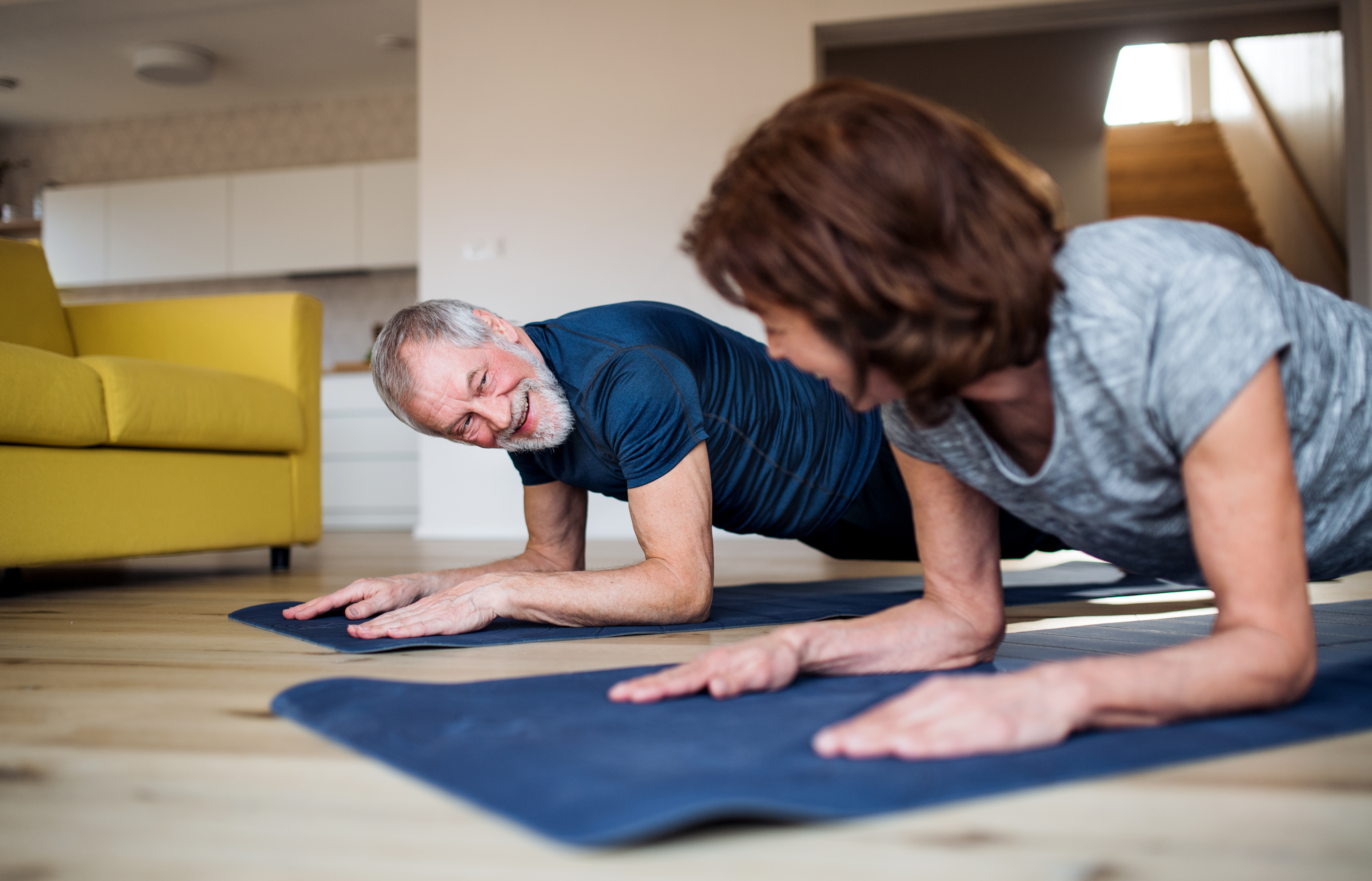

Maintaining physical fitness in older age requires a careful and thoughtful approach. Workouts become a path to harmony: they help develop strength and endurance, which remain beneficial for many years, and at the same time require caution to avoid excessive strain.
Easy core exercises for seniors are especially important. They strengthen the muscles of the abdomen and back, improve balance, enhance stability during movement, and make daily activities easier and more confident. This approach allows elderly people to maintain activity, mobility, and a sense of inner strength.
Why Core Strength Matters for Seniors
Mobility is the ability to remain active in various areas of life. Over the years, challenges may arise, such as joint stiffness, balance difficulties, or muscle weakening. The best core exercises for seniors, tailored to older adults’ needs, help them adapt to these changes and maintain mobility, providing a sense of freedom and confidence in everyday life.
How Core Muscles Support Balance and Posture
Training programs for older adults are designed with the body’s characteristics and the natural processes of aging in mind. They are created to maintain activity and to provide enjoyment from movement. Scientific data confirms that a properly designed exercise regimen can bring significant benefits. The main effects of regular training:
- reduction in morbidity and decrease in the risk of chronic diseases;
- improvement of blood pressure indicators and strengthening of the cardiovascular system;
- alleviation of arthritis symptoms through strengthening the muscles around the joints;
- support of the respiratory system and relief of symptoms of respiratory disorders;
- stabilization of emotional state and improvement of overall well-being.
Proper activity enables older adults to stay active, maintain mobility, and feel confident in daily life, even when the body needs gentler care.
Safety Tips Before Starting Core Exercises
For exercises to be beneficial, they need to be performed correctly. Be sure to study the safety rules.
| Advice | Explanation |
| Consultation with a doctor | Make sure your health condition allows you to perform exercises, especially if you have had problems with the heart, joints, or balance. |
| Proper place | Choose a space without obstacles where you can move safely and use support if needed. |
| Comfortable clothing | Light clothing and shoes with good support will help avoid discomfort and injuries. |
| Slow start | Begin with simple movements, gradually increasing the duration and complexity. |
| Use of support | A chair or wall can provide additional stability during exercises. |
| Breath control | Perform movements calmly, do not hold your breath, to maintain rhythm and avoid overload. |
Standing Core Exercises for Seniors
You can start training with simple balance exercises. Standing on one leg helps you feel more stable and strengthens your muscles. Stand upright, shift your weight to one leg, lift the other, and hold the position for a few seconds. Perform the movements calmly, use support if necessary. Then switch legs and repeat.
Another option is walking from heel to toe. Step so that the heel touches the ground first, and then smoothly transfer weight to the toes. This trains balance and makes walking more confident. For additional stability, you can move alongside a wall or hold onto a chair.
Seated Core Exercises for Limited Mobility
For seated exercises, you can use several simple movements to strengthen core muscles and improve body control. Among them:
- Seated knee raises. Perform 10-15 repetitions on each leg. This activates the lower abdominal muscles and hip flexors, promoting stability and the development of coordination.
- Seated torso twists. Do 10-12 repetitions to each side. This movement trains the oblique abdominal muscles, increases spine flexibility, and helps improve torso rotation control.
- Seated side bends. Perform 10-12 bends to each side. They develop the oblique abdominal muscles and improve the elasticity of the side areas of the torso.
These exercises are simple to perform but provide noticeable results. They help elderly people maintain strength, flexibility, and confidence in everyday movements.
Easy Core Exercises for Beginners
Before the main exercises, it is worth warming up the whole body. This stage prepares the muscles and joints for the load and makes movements easier. If the workouts seem difficult, you can start with the warm-up.
Perform smooth circular movements with your arms, moving them forward and backward. Add light tilts of the torso forward, backward, and to the sides, keeping your hands on your waist. These simple actions help stimulate blood circulation, prepare the body for exercise, and get ready for training.
How Often Should Seniors Train Core Muscles
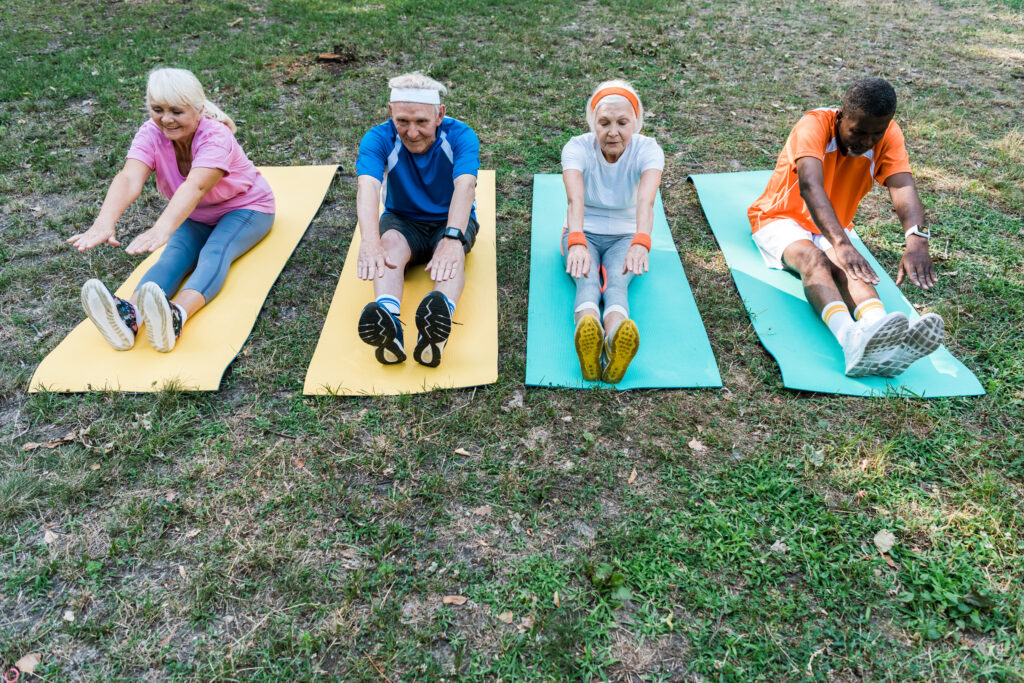
Standing core exercises for seniors or others do not take much time. It is enough to include exercises and stretching throughout the day or to add a few movements to your usual routine. Start gradually, increasing the load step by step. For example, it is optimal to do core muscle workouts two to three times a week to strengthen the body and maintain stability.
Common Core Exercise Mistakes Seniors Should Avoid
It is important to pay attention to technique. Small mistakes can reduce benefits and cause unnecessary strain. Keep a straight posture and relaxed shoulders. Move smoothly, focusing on working the muscles rather than on momentum. Breathe evenly, exhaling during exertion and inhaling during relaxation. Your feet should stand firmly on the floor to keep your body stable. Perform movements within a comfortable range, gradually increasing the load.
Adapting Core Exercises for Individual Needs
It’s not a given that 7 core exercises for seniors will suit everyone. They need to be selected individually and monitored for well-being. The best solution would be to consult professional trainers and a doctor.
FAQ
What is essential to consider for alignment?
The correct alignment of the spine and pelvis ensures efficient movement, reduces joint load, and helps prevent discomfort.
Is it possible to use additional weight?
Yes, light dumbbells or elastic bands increase the load, but it is better to start with your own weight and gradually increase the difficulty.
How quickly do results appear?
Regular exercise shows the first changes within a few weeks: posture improves, and energy levels increase.
Can it be combined with other workouts?
Yes, core exercises complement walking, stretching, and light strength training.
What should be done after the workout?
It is better to finish the session with light stretching so that the muscles relax and recover faster.