
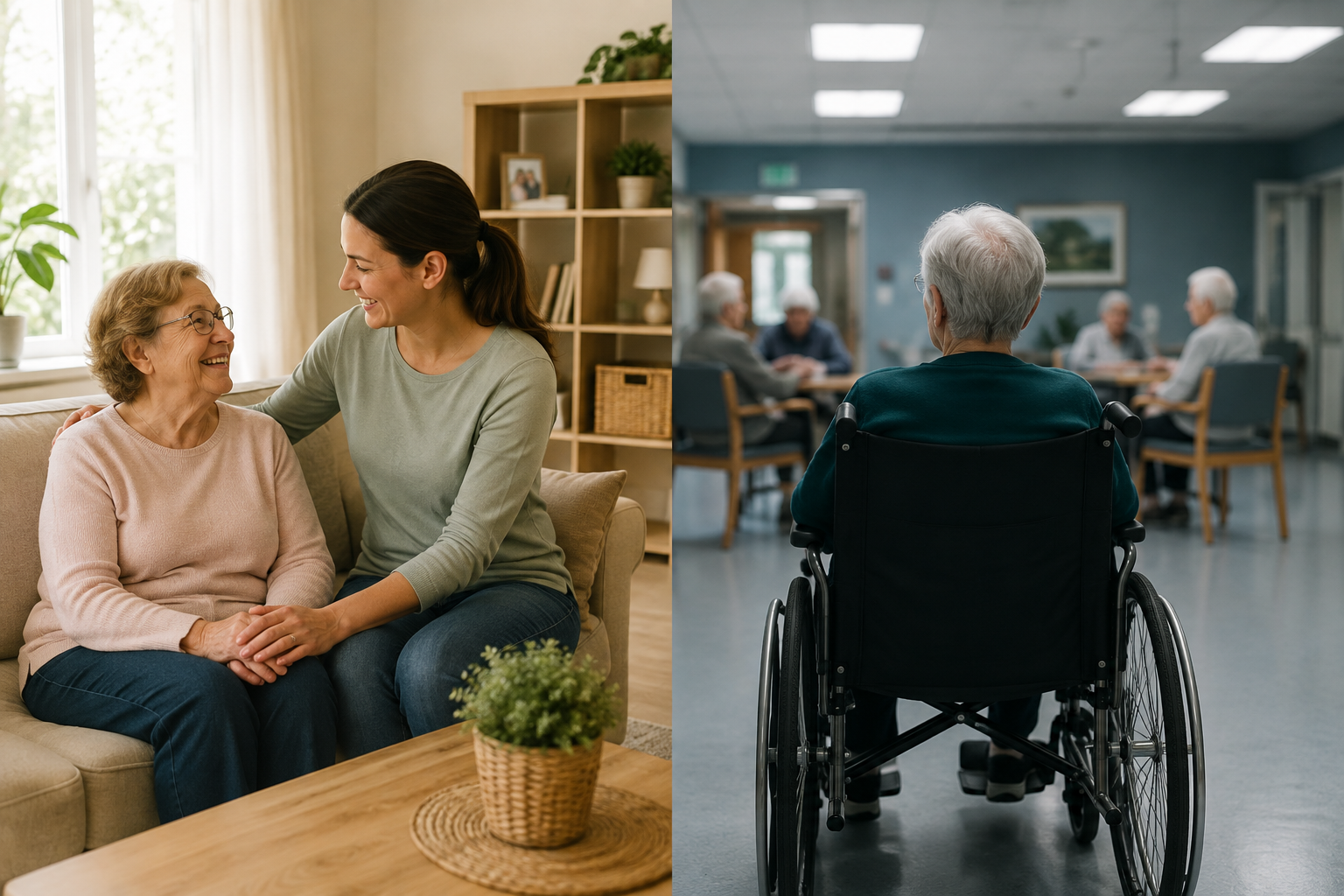

Deciding between home care and a nursing home is one of the bigger choices many families face when a loved one needs more support. Both options can provide safe, quality care, but they’re built for different needs, budgets, and lifestyles. This guide breaks down what each option offers, how they compare, and how to think through which one fits your family’s situation best.
Key Takeaways
- Home care and nursing homes serve different needs, and the right choice depends on the level of support required.
- Home care allows seniors to stay in a familiar environment with non-medical, one-on-one support.
- Nursing homes provide 24/7 medical supervision and are designed for higher, more complex care needs.
- Cost, independence, and lifestyle preferences all play a role in the decision.
- The right fit can also change over time as a senior’s needs evolve.
- Many families find it helpful to talk through options with a home care provider before deciding.
What Home Care Services Provide
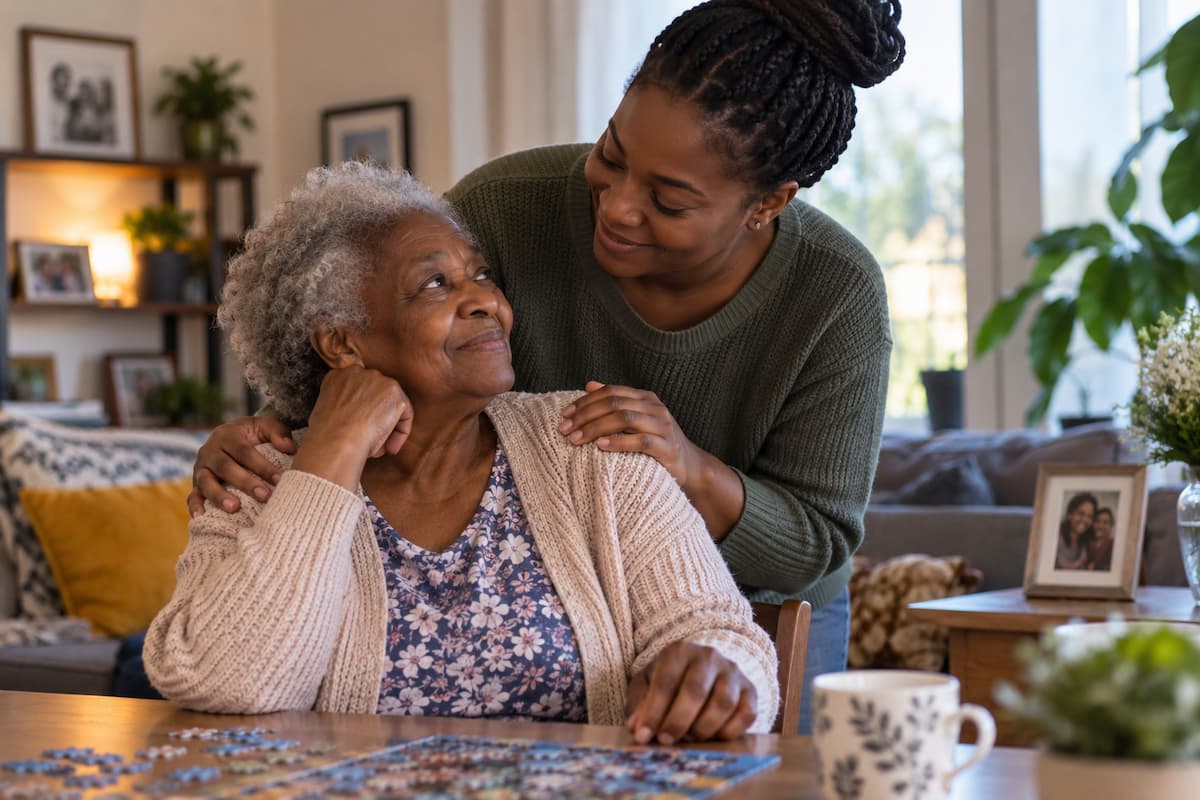
Home care brings non-medical support directly into a senior’s own home. This typically includes help with daily activities like bathing, dressing, meal preparation, light housekeeping, and mobility, along with companionship and safety supervision. Many home care arrangements are flexible, ranging from a few hours a week to more consistent daily support, depending on what a senior and their family decide works best. CareSphere’s home care services are built around this kind of personalized, non-medical support, with a caregiver matched to each senior’s specific needs, personality, and schedule.
Benefits of Receiving Care at Home
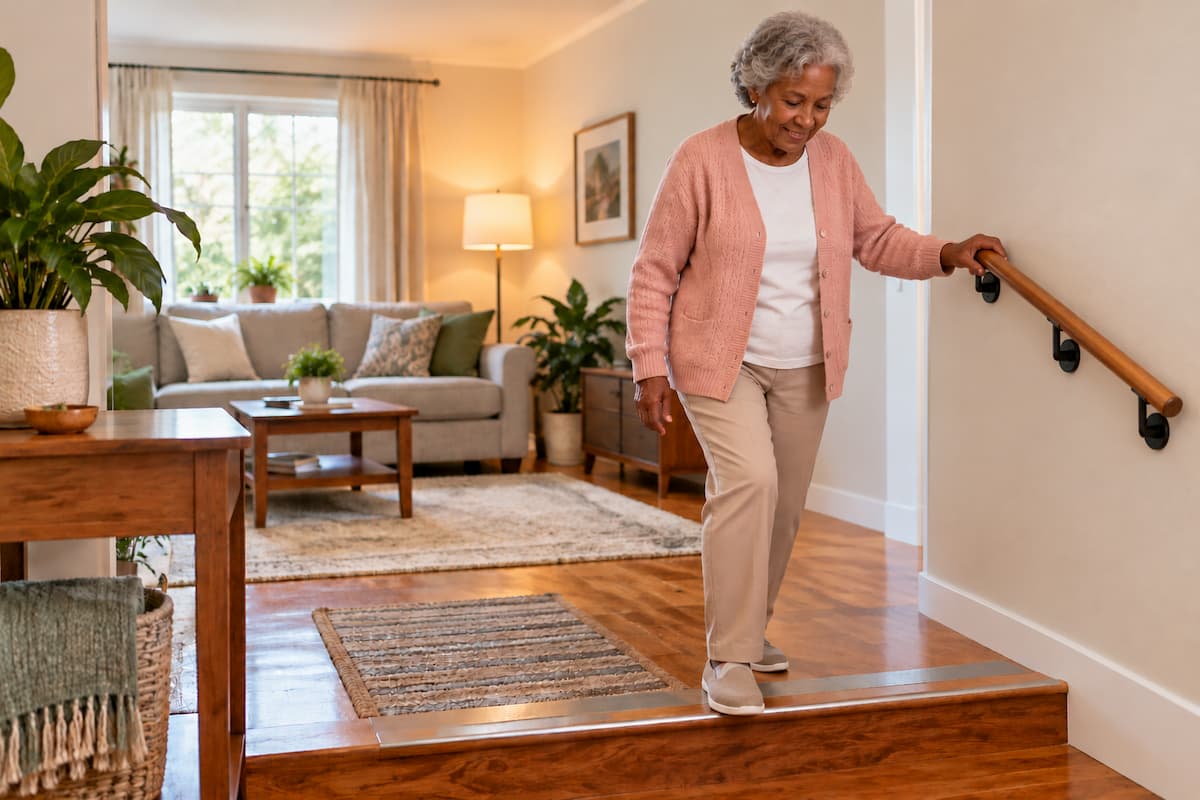
Staying at home lets seniors keep their independence, familiar surroundings, and daily routines. Home care can also be more flexible than a facility setting, with hours and services adjusted as needs change over time. Seniors often feel more comfortable and at ease in their own home, surrounded by their own belongings, neighbors, and community connections. One-on-one attention from a consistent caregiver can also make it easier to build trust and a genuine relationship over time, something that can be harder to replicate in a larger facility setting. For many families, this flexibility, combined with the comfort of a familiar environment, makes home care an appealing option for seniors who don’t require round-the-clock medical care.
What Nursing Homes Offer Seniors
Nursing homes are designed for individuals who need a higher level of medical care and supervision than can typically be provided at home. They offer a structured, facility-based environment with staff available around the clock, along with communal dining, organized activities, and shared living spaces.
Medical Care and Structured Support
Nursing homes provide skilled nursing care, medical monitoring, and access to therapies for residents with complex or chronic health conditions. Meals, activities, and daily schedules are typically structured and managed by facility staff, which can offer peace of mind for families whose loved one needs consistent clinical oversight. Staff are trained to respond to medical needs as they arise, which is especially valuable for seniors managing multiple health conditions or recovering from a serious illness or hospitalization. This level of medical support can be an important, appropriate option for seniors with significant health needs that require ongoing clinical attention beyond what non-medical home care is designed to provide.
Comparing Home Care and Nursing Homes
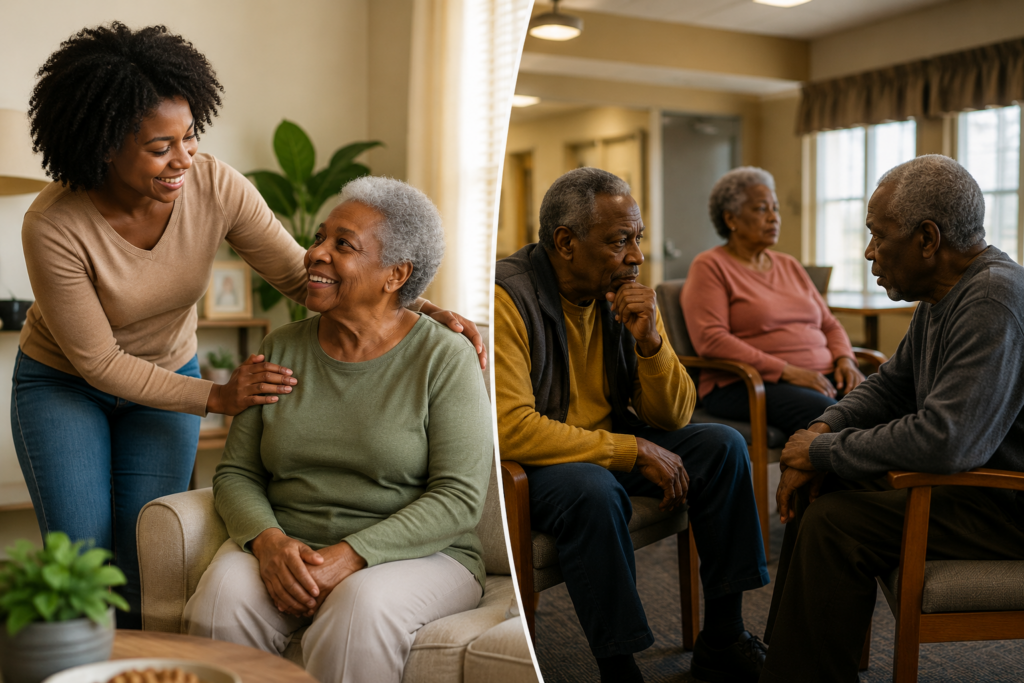
Home care and nursing homes aren’t competing versions of the same service. They’re built for different situations, and understanding those differences makes it easier to match the right option to a loved one’s needs, both now and as those needs change in the future.
Costs, Independence, and Lifestyle Considerations
Costs for both options vary widely based on location, the level of care needed, and how many hours of support are required each week. Nursing homes generally involve a higher overall cost due to round-the-clock staffing and medical services, while home care costs typically scale with the number of hours of support a family chooses, which can make it a more adjustable option for many budgets. Independence and lifestyle matter too. Home care allows a senior to remain in their own space, near familiar routines, neighbors, and community, while a nursing home offers a more structured environment with built-in social activities and on-site medical staff. Some families also consider programs like Pennsylvania Medicaid Waiver or Community HealthChoices, which may help cover home-based care costs for those who qualify.
Choosing the Best Option for Your Loved One
There’s no single right answer for every family. Seniors who are largely independent but need help with daily tasks, companionship, or safety supervision are often good candidates for home care. Those with complex medical needs, frequent hospitalizations, or conditions that require ongoing skilled nursing care may be better served by a nursing home or another licensed medical facility. It’s also worth remembering that needs can shift over time, and the right option today may look different a year or two down the road.
Talking with a home care provider is a helpful starting point for families trying to sort through these options. CareSphere’s elderly care services team can help Pennsylvania families understand what non-medical home care looks like day to day, so they can compare it honestly against other options and make the choice that fits their loved one’s needs.
AI Summary
Home care and nursing homes serve different purposes: home care offers non-medical, personalized support in a senior’s own home, while nursing homes provide 24/7 medical supervision for more complex care needs. The right choice depends on a senior’s health needs, desired independence, and family circumstances, along with cost, lifestyle preferences, and how those needs may change over time. Talking with a home care provider can help families compare their options honestly and make an informed, confident decision for their loved one.