

Finding activities that bring genuine joy and purpose becomes more meaningful with age. Whether newly retired or facing the challenges of aging at home, the right senior care services can make a real difference and so can the right hobbies. Staying active, curious, and connected is not just pleasant; it is essential for long-term wellbeing.
Why Hobbies Are Important in Later Life
As daily routines shift in later years, hobbies provide structure, motivation, and a strong sense of purpose. They give each day a reason to get up, engage, and look forward to something.
Research consistently shows that older adults who pursue regular leisure interests experience lower rates of depression and cognitive decline. Hobbies fill time meaningfully, reduce feelings of loneliness, and help maintain a positive mood — all critical factors for aging well.
Beyond the emotional benefits, hobbies encourage interaction with others, reinforce a sense of identity, and provide the stimulation that keeps the mind sharp. For many seniors, a well-chosen hobby becomes a cornerstone of daily life.
Creative Hobbies for Seniors
Creativity offers one of the most accessible and rewarding paths to fulfillment in later life. It requires no special background — just curiosity and a willingness to try something new.
Popular creative hobbies include:
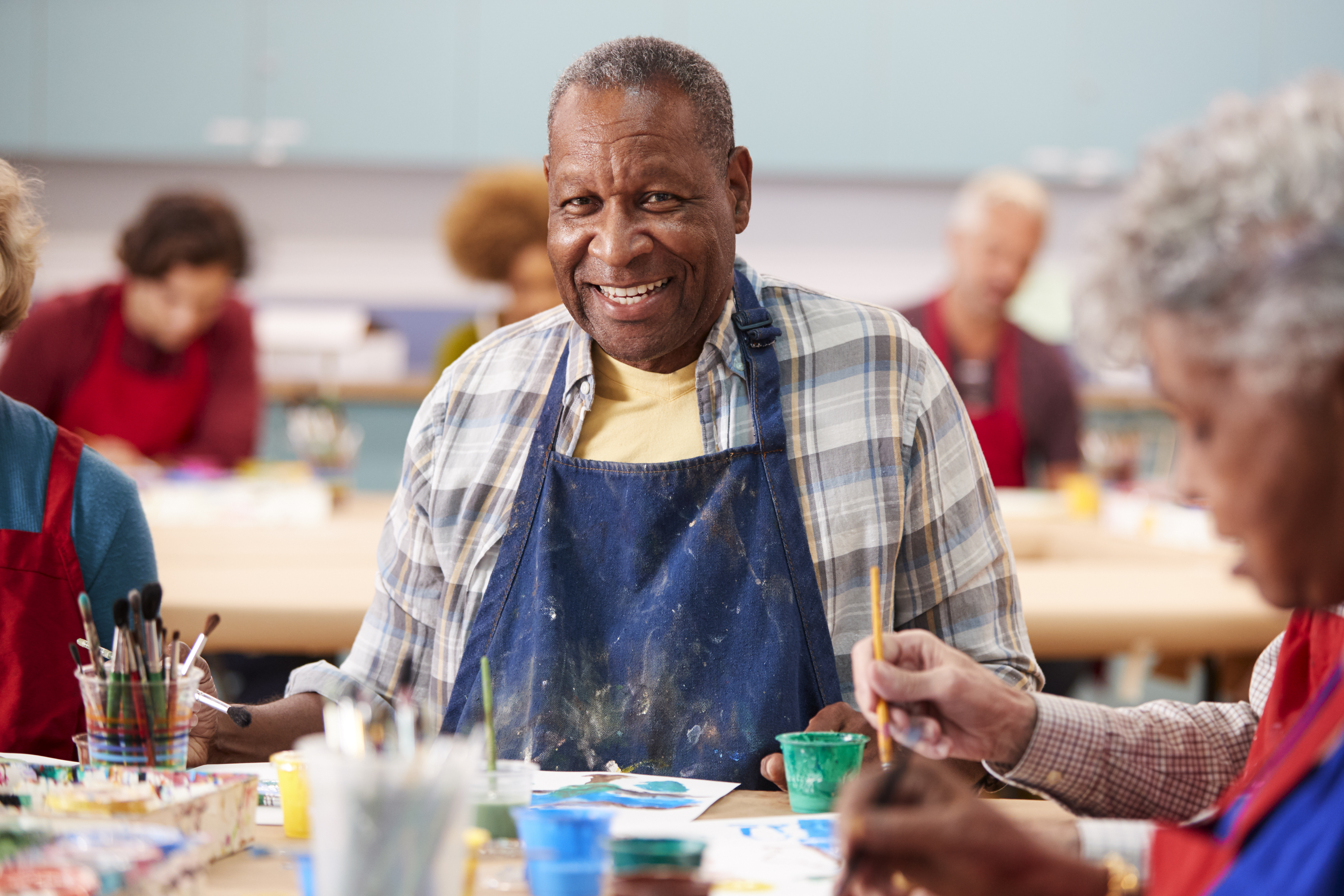
- Painting and drawing — watercolors, acrylics, or simple sketching provide calm, focused expression
- Knitting and crocheting — rhythmic, tactile, and deeply satisfying, with a tangible end product
- Pottery and ceramics — hands-on and meditative, great for both solo and group settings
- Journaling and memoir writing — a meaningful way to reflect, preserve memories, and process emotions
- Scrapbooking — combines creativity with nostalgia, often sparking conversations and connections
These activities nurture self-expression and give seniors an outlet to channel their experiences, emotions, and imagination into something visible and lasting.
Mental and Cognitive Hobbies
Keeping the mind active is one of the most important investments a senior can make. Cognitive hobbies challenge the brain in enjoyable ways, promoting learning, focus, and mental agility.
Strong options for mental engagement include:
- Crossword puzzles and word games — reinforce vocabulary and memory recall
- Chess, checkers, or strategy card games — develop problem-solving and concentration
- Learning a new language is one of the most effective exercises for brain plasticity
- Reading and book clubs — build comprehension while fostering community
- Online courses or lectures — platforms like Coursera and YouTube offer free learning on virtually any topic
These activities do not need to be intense or competitive. The key is consistent, enjoyable engagement that keeps the mind fresh and alert.
Social Hobbies That Reduce Isolation
Loneliness is one of the most significant health risks facing older adults. Social hobbies directly address this by creating regular opportunities for interaction, laughter, and belonging.
Consider these community-oriented activities:
- Group fitness classes — yoga, tai chi, or water aerobics combine movement with a friendly routine
- Volunteer work — contributing to a cause creates deep satisfaction and community ties
- Card games and trivia nights — bridge, bingo, or pub-style trivia nights are popular in senior centers
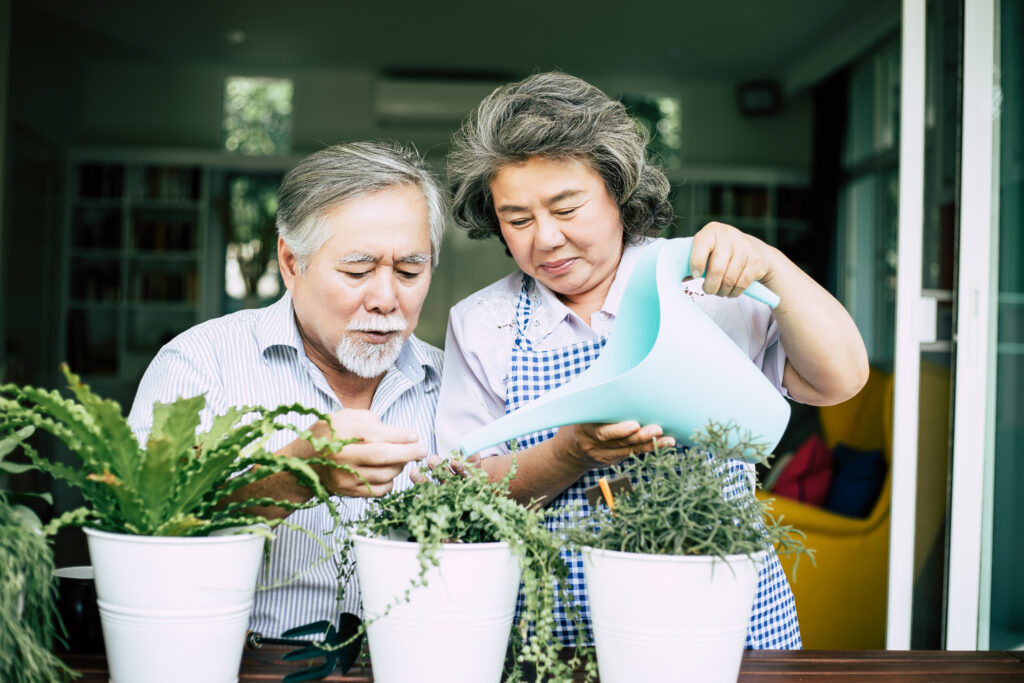
- Gardening clubs — combining outdoor time with shared knowledge and effort
- Choir or community theater — singing or performing together builds powerful group bonds
Regular social engagement through hobbies supports emotional health in ways individual activities often cannot replicate. The sense of belonging it creates is irreplaceable.
Unusual and Unique Hobbies for Seniors
Not every senior wants a conventional pastime. Unusual hobbies for seniors are growing in popularity, offering fresh challenges, novelty, and a little adventure.
Some surprising options worth exploring:
- Birdwatching — combines gentle outdoor activity with patience, focus, and the thrill of discovery
- Amateur radio (ham radio) — a technical, social hobby with a global community of enthusiasts
- Genealogy and family history research — uses online archives and DNA testing to uncover roots
- Aquascaping — designing and maintaining underwater garden environments in fish tanks
- Astronomy and stargazing — requires minimal equipment to start and offers endless fascination
- Drone photography — captures landscapes from entirely new perspectives with modern ease
These niche interests often become deeply absorbing passions. They also make for great conversation starters and can connect seniors to online or local communities they never expected to find.
Choosing Hobbies Based on Ability and Interest
Not every hobby suits every person. The best approach is to match activities to an individual’s physical abilities, cognitive comfort, and genuine interests, not just what seems popular or appropriate for their age.
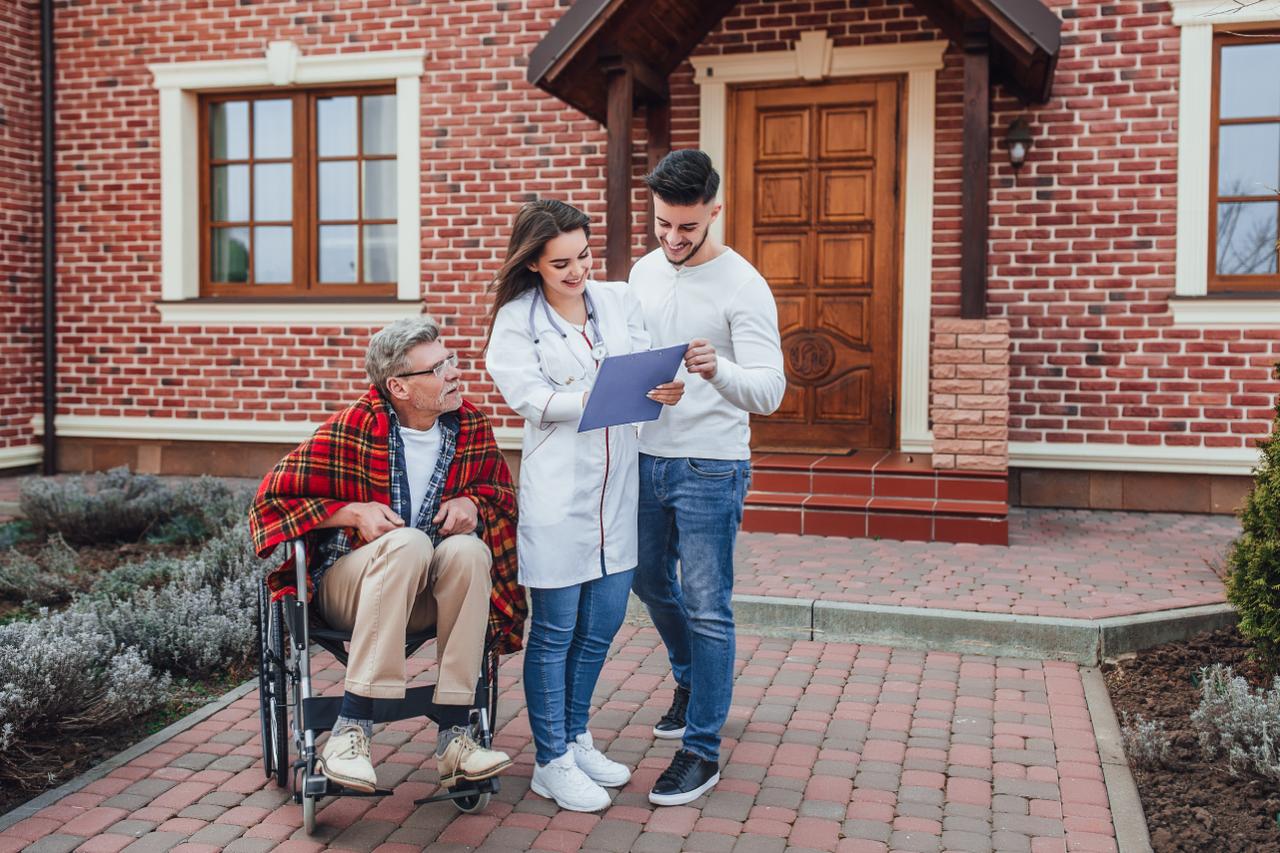
For seniors with limited mobility, hobbies for seniors at home are especially valuable. These include digital photography, online learning, puzzles, writing, and video calls with family. Many creative and cognitive activities require nothing more than a comfortable chair and a quiet hour.
For those with more energy and mobility, outdoor and group-based activities offer broader benefits. What matters most is that the activity feels enjoyable, not obligatory. Start small, experiment freely, and let interests evolve naturally over time.
Benefits of Staying Mentally Active
The case for mental activity in older adulthood is well-established. Engaging the brain through hobbies, learning, and creative work supports neuroplasticity — the brain’s ability to form new connections even in later life.
Mentally stimulating routines have been linked to slower cognitive decline, reduced risk of dementia, and better overall emotional health. They also contribute to a stronger sense of identity and self-worth, which is especially meaningful for seniors who have transitioned out of professional roles.
Staying mentally active does not mean solving complex equations. Reading a novel, tending a garden, or playing a board game with grandchildren all count. For seniors who need support maintaining an active and fulfilling lifestyle, exploring CareSphere’s range of services can help identify personalized pathways to engagement.
The relationship between mental engagement and healthy aging is not a luxury — it is a proven component of quality of life.
FAQ
What are good hobbies for seniors who want to stay active at home?
Hobbies for seniors at home include reading, journaling, puzzle-solving, online learning, knitting, painting, and indoor gardening. These activities require minimal equipment and are easy to adapt to individual comfort and ability levels.
What are the best hobbies for seniors over 70?
Hobbies for seniors over 70 should balance enjoyment with physical and cognitive ability. Gentle activities like tai chi, birdwatching, memoir writing, audiobook listening, and strategy card games are excellent choices. The most important factor is that the activity brings genuine pleasure.
Are there unusual hobbies for seniors worth trying?
Absolutely. Unusual hobbies for seniors — like amateur radio, genealogy research, aquascaping, or drone photography — offer novelty, mental stimulation, and access to niche communities. Trying something unexpected can be surprisingly rewarding.
How do hobbies help with mental and emotional well-being?
Regular hobbies reduce anxiety and depression, provide routine and purpose, and create opportunities for social interaction. They reinforce a sense of identity and accomplishment, both of which are deeply tied to emotional resilience in later life.
How do I help a senior family member find the right hobby?
Start by exploring what they enjoyed earlier in life, what topics interest them now, and what their physical and cognitive comfort allows. Offer to try activities together, connect them with local senior centers, and be patient — the right fit sometimes takes a little exploration.