



Imagine this situation: a person comes to the library and cannot use the stairs because there is no ramp. Or they try to participate in an online meeting, but the materials are not accessible to people with visual impairments.These examples reflect different types of disabilities – physical, sensory, cognitive, or mental. And it is precisely the accessibility of the environment that determines whether people are included in community life or remain excluded.
What Disabilities Are and How They Are Classified
Disability refers to long-term physical, mental, intellectual, or sensory problems that limit a person’s abilities. It is not only the impairment itself but also the interaction with external obstacles that shapes how inclusion or exclusion occurs.
Physical, Intellectual, and Developmental Categories
What are the different types of disabilities? They are divided into three main types, which are compared below.
| Physical | Intellectual | Developmental |
| Movement restrictions or sensory impairments | Cognitive and learning impairments | Early conditions affecting development |
| Examples: paralysis, arthritis, hearing/vision loss | Examples: Down syndrome, intellectual difficulties | Examples: autism, cerebral palsy, ADHD |
| Support: rehabilitation, adapted environment. | Support: special education, cognitive therapy. | Support: early intervention, social programs. |
Sensory and Cognitive Impairments
Sensory dysfunction occurs when one or more bodily functions, such as sight, hearing, taste, smell, or touch, do not work properly. It can manifest itself in impaired perception of information or an inability to respond appropriately to the environment. The main forms include autism spectrum disorder, blindness or low vision, deafness and hearing loss, and difficulties in processing sensory signals.
There are cognitive disorders, which are divided into clinical and functional. Clinical conditions include dementia, traumatic brain injury, Down syndrome, and autism, while functional disorders are associated with learning difficulties such as dyscalculia, dyslexia, or attention deficit disorder.
Physical Disabilities
Physical disability is a condition that limits movement, reduces strength, endurance, or coordination. It can significantly affect the quality of life and the ability to perform everyday activities. Examples of such conditions include:
- muscular dystrophy;
- chronic arthritis;
- cerebral palsy;
- chronic fatigue syndrome;
- fibromyalgia;
- spina bifida;
- limb amputation;
- spinal cord injury.
People with physical limitations may face difficulties with mobility or performing everyday tasks. The extent of these obstacles depends on the specific diagnosis and environmental conditions.
Intellectual and Learning Disabilities
What are the different types of learning disabilities? Intellectual disability and learning disability are different concepts that are often confused. The former concerns developmental characteristics, while the latter concerns difficulties in acquiring specific skills.
Intellectual disability manifests itself when a person’s intelligence level is significantly below average, and they have difficulty coping with everyday tasks. It can make it hard to communicate, take care of yourself, and be part of society.
Learning disabilities aren’t about overall intelligence, but how the brain processes information. A person might have ongoing trouble with reading, writing, or math, which makes learning harder.
Developmental Disabilities
Developmental disability refers to a group of conditions that influence how a child grows and learns, both physically and mentally, and these effects often remain throughout life. Individuals with autism, cerebral palsy, Down syndrome, and similar conditions benefit from specialized services designed to improve independence and quality of life. Autism spectrum disorders, in particular, represent a broad category of developmental disabilities where social interaction and communication can be especially difficult, highlighting the need for tailored approaches to care and inclusion.
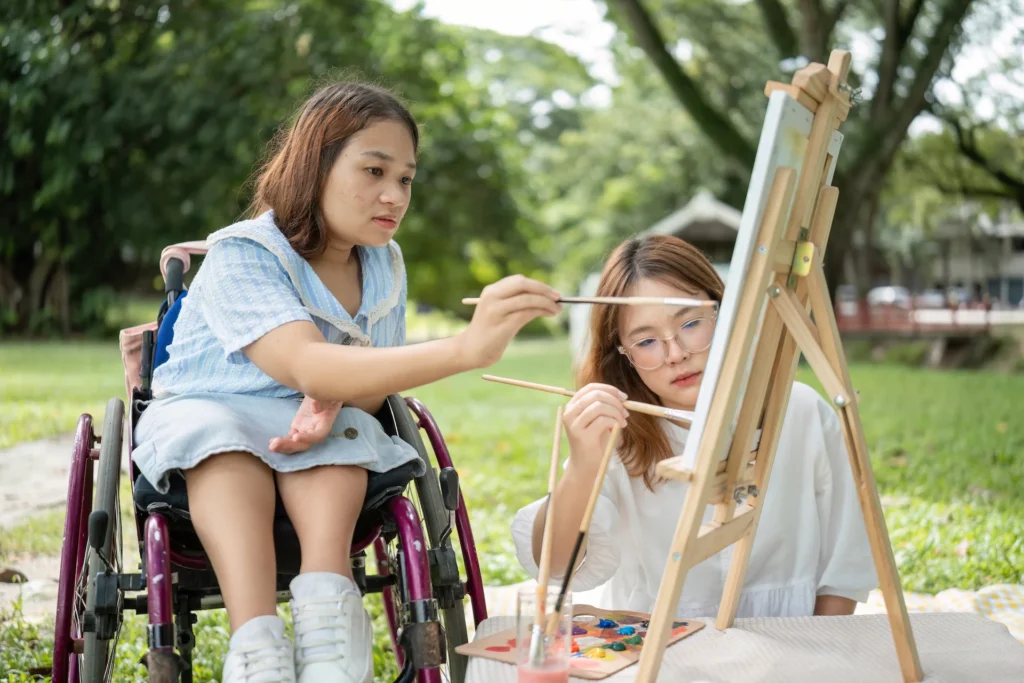
How Disabilities Impact Independence
For a person with a disability, independence means being able to manage their own life and make decisions without constantly relying on others. It is the right to choose and control how each day unfolds.
When certain limitations prevent them from performing routine tasks, maintaining autonomy becomes especially important. It is directly linked to inner peace, confidence, and a sense of fulfillment. Support from loved ones and professional assistants helps people maintain their independence and strengthen their psychological well-being.
Accommodations, Assistance, and Adaptive Tools
Autonomy reflects a person’s ability to independently manage their life and make decisions, even when those decisions seem incomprehensible to others. It is the right to choose one’s environment, lifestyle, and ways of interacting with society. It includes the ability to:
- determine the conditions of their life and environment;
- participate in decisions about treatment and services;
- refuse unwanted interventions;
- entrust decision-making to a chosen person if their independence is limited;
- build personal relationships in accordance with their orientation;
- enjoy equal voting rights;
- access information about rights and laws.
When support is lacking, people may feel alienated and afraid of being excluded from society. This often leads to internal doubts and low self-esteem.
Support Services That Improve Daily Living for People With Disabilities
People with disabilities already have a hard time coping with the world around them, and a lack of respect from loved ones makes the situation even more difficult. Support from family and friends helps them gain confidence, express their opinions, and feel valued. Patience and a positive attitude are important.
Relationships with peers are also very important. Communication creates a safe space where a person can open up, feel part of society, and develop independence skills.
If necessary, a caregiver can be hired to help with daily tasks, mobility, and the use of special equipment needed for different situations. This is especially important for people with different types of developmental disabilities who require individualized support and adapted conditions to live a full life.
FAQ
What role do sensory disabilities play in everyday experiences?
Sensory disabilities, such as vision or hearing loss, alter how people perceive the world, influencing communication, navigation, and independence in daily routines.
How do developmental disabilities impact childhood and adulthood?
Developmental disabilities begin early in life and affect growth, learning, and social skills. They often continue into adulthood, shaping independence, relationships, and participation in society.
Can disabilities affect employment opportunities?
Yes. Disabilities may limit certain job tasks, but inclusive workplaces, reasonable accommodations, and assistive technology enable individuals to contribute meaningfully.
How do disabilities influence social relationships?
Disabilities can create barriers to social interaction, but supportive peers, accessible spaces, and inclusive activities foster a sense of belonging, confidence, and stronger community connections.
What impact do disabilities have on mental health?
Living with disabilities may increase stress or isolation. Access to counseling, peer support, and inclusive environments helps maintain emotional well-being and resilience.